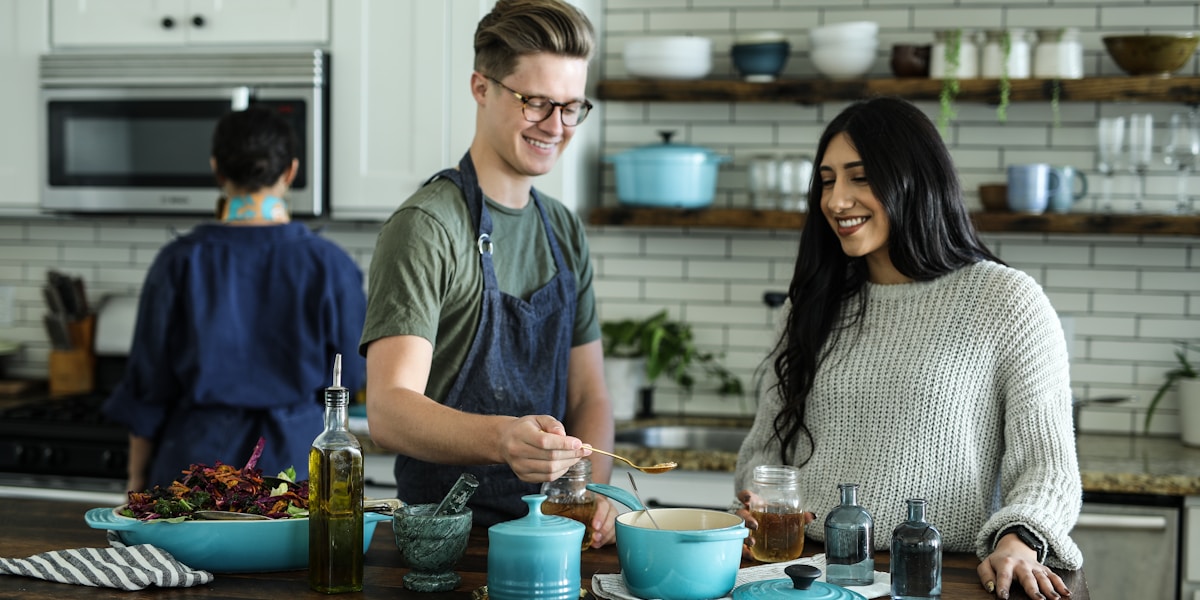
In exclusive interviews with some of the world's most celebrated chefs, Melodica News has gained access to the techniques, philosophies, and signature recipes that have made these culinary artists household names. From Michelin-starred establishments to innovative fusion kitchens, these masters of cuisine reveal the secrets behind dishes that have delighted diners and influenced entire generations of cooks. Their insights make restaurant-quality cooking achievable for home chefs willing to embrace both classic techniques and creative experimentation.
What emerges from these conversations is a common thread: great cooking combines technical precision with creative expression, respect for ingredients with willingness to innovate, and meticulous attention to detail with the confidence to trust one's instincts. These chefs share not just recipes but approaches to cooking that can transform how home cooks think about food preparation and flavor development.
Chef Marie Laurent: The Perfect Boeuf Bourguignon
Chef Laurent, whose Parisian bistro has earned three Michelin stars while maintaining the warmth of traditional French cooking, shares her approach to this classic Burgundian dish. "Boeuf Bourguignon is peasant food elevated through technique and patience," she explains. "The secret isn't exotic ingredients—it's time and understanding how flavors develop."

Her technique emphasizes proper browning of the beef to develop deep caramelization, patience in the braising process to achieve fork-tender meat, and balancing the wine's acidity with earthy vegetables and aromatics. The dish requires hours but minimal active cooking time, making it perfect for weekend preparation. She recommends using a good but not expensive Burgundy—save the premier cru for drinking.
"Home cooks often rush or skimp on steps," Laurent notes. "Don't crowd the pan when browning meat—do it in batches. Don't skip the step of reducing the wine before adding stock. These details accumulate to create the complex, rich flavor that makes this dish special. Shortcuts produce acceptable results; patience produces excellence."
Chef Takashi Yamamoto: Mastering Sushi Rice
The foundation of exceptional sushi is perfectly prepared rice, explains Chef Yamamoto, whose Tokyo restaurant is consistently ranked among the world's best. "Westerners focus on fish quality, which matters, but without proper rice, you don't have sushi—you have fish on rice-flavored mush."
His method involves specific rice varieties (short-grain Japanese), precise water ratios, proper rinsing technique, and careful seasoning with rice vinegar, sugar, and salt. The rice should be sticky enough to hold together but each grain distinct, slightly warm, and balanced in flavor so it complements rather than competes with the fish.

Temperature control is critical—rice must cool to body temperature while being gently folded with the vinegar mixture. Yamamoto demonstrates a fanning technique while using a wooden paddle to incorporate seasonings, a process that looks simple but requires practice to avoid crushing grains. "In Japan, sushi chefs spend years perfecting rice before touching fish," he says. "That should tell you everything about its importance."
Chef Isabella Martinez: Building Flavor in Paella
Spain's iconic rice dish demands understanding how to build layers of flavor, according to Chef Martinez, whose Valencia restaurant draws pilgrims seeking authentic paella. The dish's distinctive character comes from the socarrat—the caramelized rice crust that forms on the pan's bottom when cooked properly over high heat.
She emphasizes starting with a proper paella pan (wide and shallow to maximize surface area), using quality Spanish rice varieties like bomba that absorb liquid while maintaining structure, and resisting the urge to stir once liquid is added. The rice cooks through steam and absorption, developing the characteristic texture and the prized crispy bottom layer.
"Paella is about patience and restraint," Martinez advises. "Many home cooks panic when they see liquid reducing and want to stir. Don't. Trust the process. The rice knows what to do. Your job is to manage heat and timing, then listen for the subtle crackling that signals socarrat formation."
Chef Thomas Anderson: The Science of the Perfect Steak
Cooking an exceptional steak requires understanding the Maillard reaction—the chemical process creating the flavorful brown crust that distinguishes great steaks from mediocre ones, explains Chef Anderson, whose New York steakhouse is legendary. The keys are starting with quality meat, ensuring it's completely dry before cooking, using high heat, and having the confidence to leave it alone while the crust develops.

"Home cooks mess up steaks by moving them too much and not getting the pan hot enough," Anderson explains. "Heat your pan until it's smoking, pat the steak completely dry, season generously with salt, then place it down and don't touch it for 3-4 minutes. That crust is where the flavor is."
He recommends finishing thick steaks in a hot oven after searing both sides, using a meat thermometer to achieve desired doneness, and resting the meat before slicing to allow juices to redistribute. Simple techniques, rigorously executed, produce steakhouse-quality results at home.
Chef Priya Patel: Layering Spices in Indian Cuisine
Indian cooking's complexity comes from understanding how to layer and bloom spices, revealing different flavor dimensions through proper technique, shares Chef Patel, whose modern Indian restaurant has revolutionized how Americans think about Indian cuisine. "Spices aren't just seasoning—they're the foundation of flavor. How you treat them determines everything."
Her method involves toasting whole spices to awaken aromatic compounds, blooming ground spices in hot oil or ghee to develop their flavors, and adding them at different stages of cooking to create depth. Cumin added early develops earthy, savory notes; added late it provides brightness and texture. Understanding these subtleties elevates Indian home cooking from good to exceptional.

Patel emphasizes investing in quality, fresh spices and storing them properly away from heat and light. "Stale spices create dull food," she warns. "When spices are fresh and properly prepared, you need less to achieve more impact. The flavors are brighter, cleaner, more complex."
Chef Marco Benedetti: Fresh Pasta Fundamentals
Making pasta from scratch transforms a weeknight meal into something special, according to Chef Benedetti, whose family has run a Tuscan trattoria for four generations. The basic technique—flour, eggs, mixing, kneading, rolling—is simple enough, but mastering it produces results that packaged pasta cannot match.
He recommends starting with basic shapes like tagliatelle or pappardelle before attempting filled pastas. The dough should be silky and elastic, achieved through proper kneading that develops gluten structure. Rolling pasta thin enough to see your hand through it takes practice but creates delicate noodles that cook in minutes and absorb sauce beautifully.
"Fresh pasta is about texture and how it carries sauce," Benedetti explains. "The roughness from rolling on wood or cutting by hand helps sauce cling. The tenderness from proper preparation makes every bite luxurious. Once you've tasted real fresh pasta, the dried stuff seems like a different food entirely."
Universal Principles from Master Chefs
Across cuisines and techniques, certain principles emerge consistently from these culinary masters. Respect your ingredients—buy the best quality you can afford and treat them properly. Understand that cooking is transformation—applying heat, time, and technique to create something greater than the sum of parts. Practice fundamental techniques until they become intuitive, freeing you to focus on creativity and expression.

Taste constantly and adjust as needed. Cook with confidence but remain open to learning. Clean as you go to avoid overwhelming cleanup. And perhaps most importantly, cook with joy—the emotional state of the cook influences the meal's quality in ways that transcend mere technique.
Making It Work at Home
These chefs acknowledge that home kitchens lack professional equipment and the mise en place of restaurant cooking. But they insist that limitations can inspire creativity. One good knife, properly sharpened, beats a drawer full of mediocre blades. A heavy cast-iron skillet provides excellent heat retention. Understanding your own oven's quirks—hot spots, temperature accuracy—allows you to compensate and achieve consistent results.
"The best home cooks work within their constraints rather than being limited by them," notes Chef Laurent. "They know their equipment, understand their ingredients, master fundamental techniques, and cook food they enjoy eating. That's the path to real culinary achievement, whether in a three-star restaurant or a home kitchen."
As these master chefs demonstrate, exceptional cooking is within reach of dedicated home cooks willing to invest time in learning techniques, sourcing quality ingredients, and practicing with patience and attention. Their signature dishes, developed through years of refinement, offer both inspiration and practical guidance for anyone seeking to elevate their cooking from routine meal preparation to genuine culinary artistry.